Register
:
:
:
Days
Hours
Minutes
Seconds

Let's Go!

About the Event

Live Training for Upper Cervical Doctors Ready to Step Into the Future of mTBI Care


Mild traumatic brain injury is rarely just a “brain problem.” Persistent post-concussion symptoms are often driven by overlooked disruption at the craniocervical junction — a critical region influencing brainstem function, autonomic regulation, vascular flow, and long-term neurological stability.


This live Synapse Continuing Education course is an invitation for upper cervical doctors and interdisciplinary clinicians to step into the mTBI space responsibly — especially in service of veterans and military populations. While taught through the warfighter lens, the clinical frameworks apply across the full concussion spectrum, from sports injuries to motor vehicle trauma and beyond.


What This Course Covers


Participants will gain clinical mastery and diagnostic sophistication across:

  • Tiers of mTBI Injury
    Whiplash, direct impact, axonal shearing, blast exposure, and layered injury patterns
  • Craniocervical Pathophysiology
    Brainstem involvement, glymphatic disruption, vascular compromise, autonomic dysfunction
  • Broad-Spectrum Functional Diagnosis
    Mental health screening, cervicogenic association testing, vestibular differentials, cranial nerve assessment, IMPACT testing, and current VA/DoD protocols
  • Full-Spectrum Imaging Integration
    MRI, fMRI, DTI, SWI, SPECT, QEEG, X-ray, and cone beam analysis
  • PTSD, Anxiety, and Depression — The Neuropsychiatric Sequelae of Craniocervical Injury
    Understanding long-term mental health symptomatology through a neurophysiological lens
  • Modern Treatment and Recovery Models
    Tier-matched intervention strategies and interdisciplinary care planning
  • Upper Cervical Integration in Complex mTBI
    Where UC care excels, where it lags, and how to build more complete outcomes
  • Co-Management, Military Systems, and Ethical Positioning
    Working with government entities, referral networks, and responsible practice development


Course Schedule (Live Training)


Friday
1:00 PM – 6:00 PM

Saturday
8:00 AM – 12:00 PM
2:00 PM – 6:00 PM


Stepping Into the Next Level of mTBI Care


By the end of this course, you will be able to:

  • Recognize the craniocervical junction as a primary driver of persistent post-concussion symptom patterns
  • Differentiate tiers of mTBI injury including whiplash, impact, axonal shearing, and blast exposure
  • Apply broad-spectrum functional diagnostic frameworks across vestibular, autonomic, cranial nerve, and mental health domains
  • Understand when advanced imaging is indicated and how to interpret modalities such as MRI, DTI, SWI, SPECT, and QEEG
  • Integrate upper cervical care responsibly within a layered, interdisciplinary recovery model — especially in veteran and complex cases
Meet Your Instructor

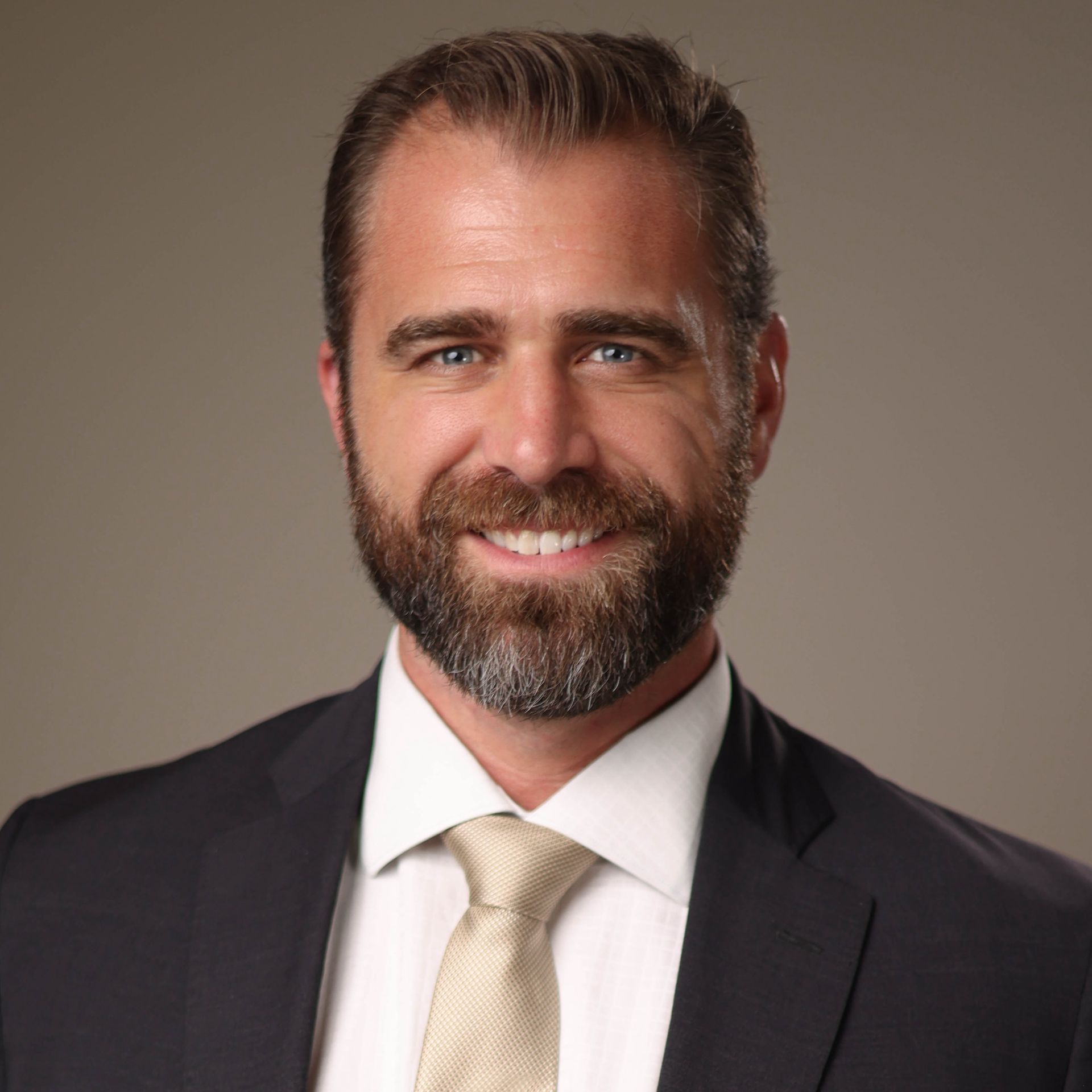
Meet Your Instructor

Chris Slininger, D.C., D.C.C.J.P.

Diplomate of Chiropractic Craniocervical Junction Procedures


Dr. Chris Slininger is an Upper Cervical Chiropractor, U.S. Army Veteran, and the founder of Cerebral Chiropractic Center in St. Petersburg, FL. He earned his Doctor of Chiropractic degree and has dedicated his career to advancing the clinical understanding of craniocervical biomechanics, neurological dysfunction, and complex mild traumatic brain injury cases. He is a Certified Advanced Orthogonist and serves as the Executive Director of the Advanced Orthogonal Institute, where he helps refine upper cervical procedures and trains doctors across the country. He has also served on the Board of Directors of the Council on Upper Cervical Care.


Over the past 16 years, Dr. Slininger has focused extensively on the craniocervical involvement in mild traumatic brain injury, particularly in veterans and military populations suffering from persistent post-concussion symptoms. His work integrates upper cervical care with advanced imaging literacy, broad-spectrum functional diagnostics, and interdisciplinary collaboration to address layered injury patterns that are often overlooked in traditional concussion models. He has presented nationally on this topic in Utah, Orlando, Clearwater, and St. Petersburg, and continues to develop clinical frameworks that bring greater clarity to the neurological and structural roots of chronic mTBI symptomatology.


Dr. Slininger has been actively involved in advancing military-focused solutions to this crisis, including efforts to roll out large-scale clinical research initiatives in association with SOCOM, and CENTCOM to help revolutionize the diagnostic and treatment model for mild traumatic brain injury within the armed forces. As a veteran who served as an engineer and worked with the Army Reserve Medical Command for the western United States (WE-MARSG), his mission to address the invisible wounds of war is deeply personal and professionally grounded.


Dr. Slininger is also the founder of Synapse Continuing Education, where he brings together cross-professional experts to challenge conventional thinking and elevate standards in healthcare. In addition to his clinical and teaching work, he consults upper cervical doctors seeking to move into specialty niches within the public marketplace, helping them become firmly established as upper cervical specialists. His teaching style combines clinical intensity, systems-level thinking, and mission-driven purpose. The Craniocervical Involvement in mTBI course represents the culmination of years of clinical refinement and instruction since approximately 2010 — an invitation for upper cervical doctors to step responsibly into one of the most urgent and misunderstood crises in modern healthcare.

Chris Slininger, D.C., D.C.C.J.P.

Diplomate of Chiropractic Craniocervical Junction Procedures


Dr. Chris Slininger is an Upper Cervical Chiropractor, U.S. Army Veteran, and the founder of Cerebral Chiropractic Center in St. Petersburg, FL. He earned his Doctor of Chiropractic degree and has dedicated his career to advancing the clinical understanding of craniocervical biomechanics, neurological dysfunction, and complex mild traumatic brain injury cases. He is a Certified Advanced Orthogonist and serves as the Executive Director of the Advanced Orthogonal Institute, where he helps refine upper cervical procedures and trains doctors across the country. He has also served on the Board of Directors of the Council on Upper Cervical Care.


Over the past 16 years, Dr. Slininger has focused extensively on the craniocervical involvement in mild traumatic brain injury, particularly in veterans and military populations suffering from persistent post-concussion symptoms. His work integrates upper cervical care with advanced imaging literacy, broad-spectrum functional diagnostics, and interdisciplinary collaboration to address layered injury patterns that are often overlooked in traditional concussion models. He has presented nationally on this topic in Utah, Orlando, Clearwater, and St. Petersburg, and continues to develop clinical frameworks that bring greater clarity to the neurological and structural roots of chronic mTBI symptomatology.


Dr. Slininger has been actively involved in advancing military-focused solutions to this crisis, including efforts to roll out large-scale clinical research initiatives in association with SOCOM, and CENTCOM to help revolutionize the diagnostic and treatment model for mild traumatic brain injury within the armed forces. As a veteran who served as an engineer and worked with the Army Reserve Medical Command for the western United States (WE-MARSG), his mission to address the invisible wounds of war is deeply personal and professionally grounded.


Dr. Slininger is also the founder of Synapse Continuing Education, where he brings together cross-professional experts to challenge conventional thinking and elevate standards in healthcare. In addition to his clinical and teaching work, he consults upper cervical doctors seeking to move into specialty niches within the public marketplace, helping them become firmly established as upper cervical specialists. His teaching style combines clinical intensity, systems-level thinking, and mission-driven purpose. The Craniocervical Involvement in mTBI course represents the culmination of years of clinical refinement and instruction since approximately 2010 — an invitation for upper cervical doctors to step responsibly into one of the most urgent and misunderstood crises in modern healthcare.

Agenda

Time Topic
FRIDAY, MAY 8
1:00-2:00pm Arrival & Networking
2:00-3:00pm Introduction to Military Mechanisms of mTBI
3:00-4:00pm Historical and Current mTBI Models
4:00-6:00pm Pathophysiological Cascade of mTBI
SAURDAY, MAY 9
8:00-9:00am Pathophysiological Cascade of mTBI (Cont.)
9:00-11:00am Full-Spectrum Imaging Integration (MRI, fMRI, DTI, SWI, SPECT, QEEG)
11:00am-12:00pm Full-Spectrum Differential Diagnosis of mTBI
12:00-2:00pm Lunch
2:00-3:00pm PTSD, Anxiety, and Depression — The Neuropsychiatric Sequelae of Craniocervical Injury
3:00-4:00pm Upper Cervical Integration in Complex mTBI
4:00-5:00pm Co-Management
5:00-6:00pm Marketing and WOrking with Military, Governmental Systems, VA, and Military Non-Profits

Location

This live training will be held at The Centre Club Tampa, an elegant and elevated private club perched on the eighth floor at 123 South West Shore Boulevard. Known for its refined ambiance, stunning views, and professional atmosphere, The Centre Club provides the perfect setting for a high-level clinical education experience.


Conveniently located in Tampa, the nearby hotel offering complimentary airport shuttle service to and from Tampa International Airport (TPA) makes travel easy for out-of-town attendees — allowing you to fly in, stay nearby, and be right where the event takes place.


Centre Club

123 S West Shore Blvd, 8th Floor
Tampa, FL 33609

Registration

:
:
:
Days
Hours
Minutes
Seconds

Let's Go!

Join the Mission to Elevate mTBI Care

This is more than a CE course — it is an invitation to step into one of the most urgent clinical crises facing veterans and concussion patients today.


Registration for this event is $699. 


Seats are limited for this live training. Only 40 spots available.

Register